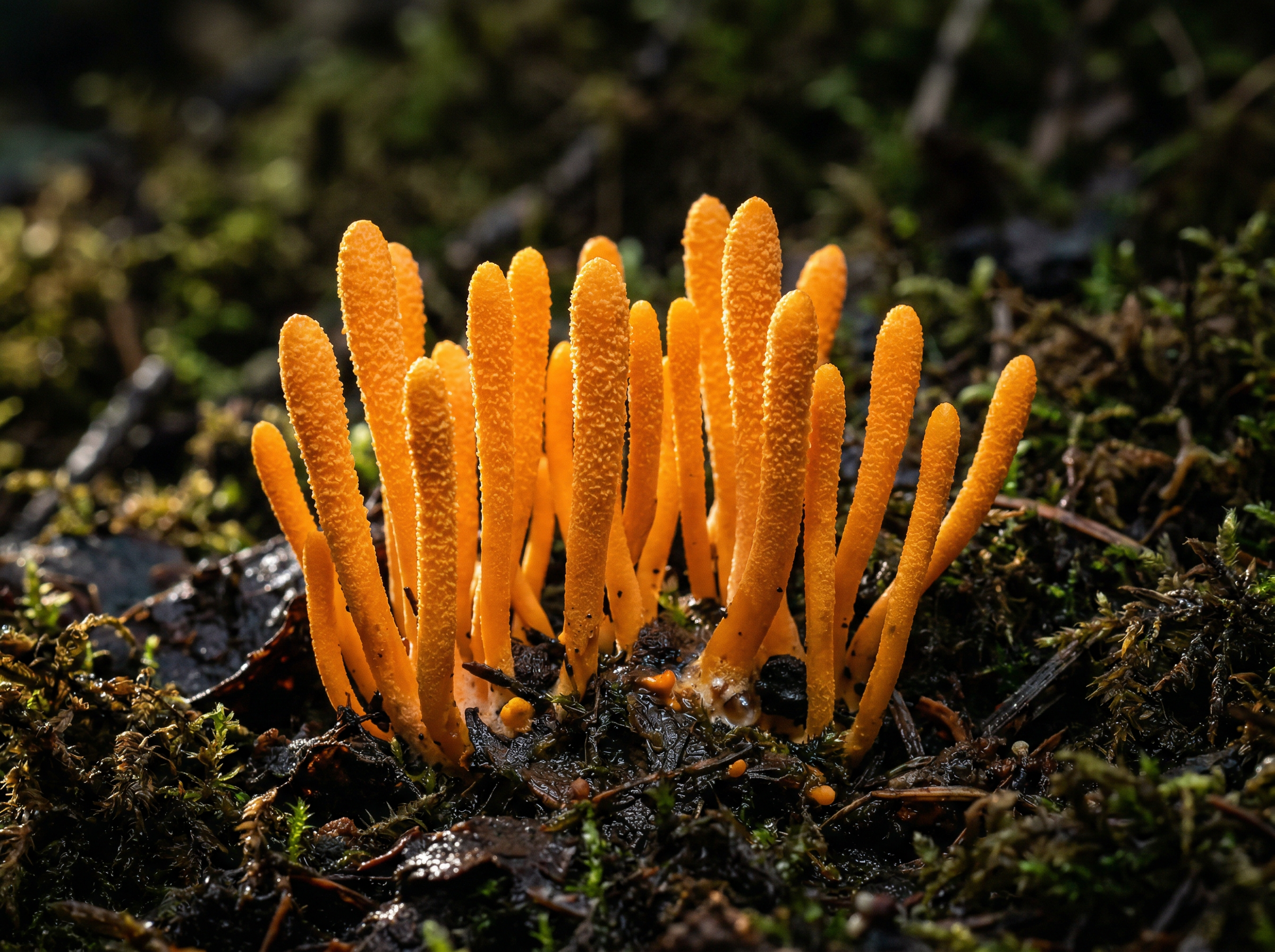
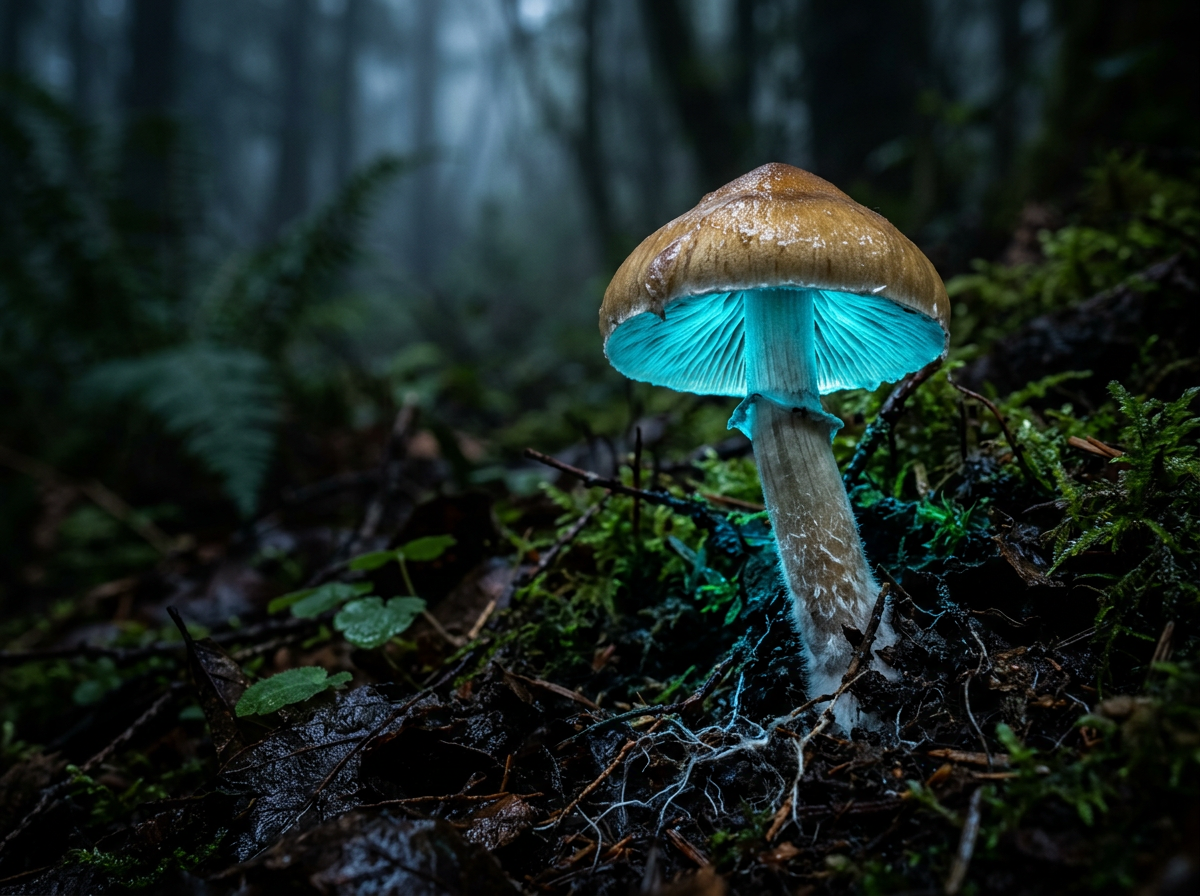
Fungi make up 25% of Earth's biomass and produce compounds that are rewriting medicine. We translate the science so you can understand what millions of years of evolution already knew.
For 1.5 billion years, fungi have been engineering molecules that protect, heal, and connect living systems. Yet most people can't name a single medicinal mushroom beyond the one on their pizza.
MushrooomMicrodose exists to change that. We break down peer-reviewed research into language anyone can understand — no hype, no pseudoscience, no sales pitch. Just the facts about what fungi can and cannot do, written by people who have spent decades in the field.
Whether you're a cancer patient researching Turkey Tail, a veteran exploring psilocybin therapy, or simply curious about Lion's Mane for focus — you deserve honest, expert-level information.
150K+
Species Known
700+
Medicinal Compounds
2,000+
Years of Use
The Medicinal Six
Meet the Mushrooms That Are Changing Medicine
These six species have the strongest clinical evidence behind them. Each one produces a unique cocktail of bioactive compounds — and scientists are only beginning to understand what they do.
Hericium erinaceus
Lion's Mane
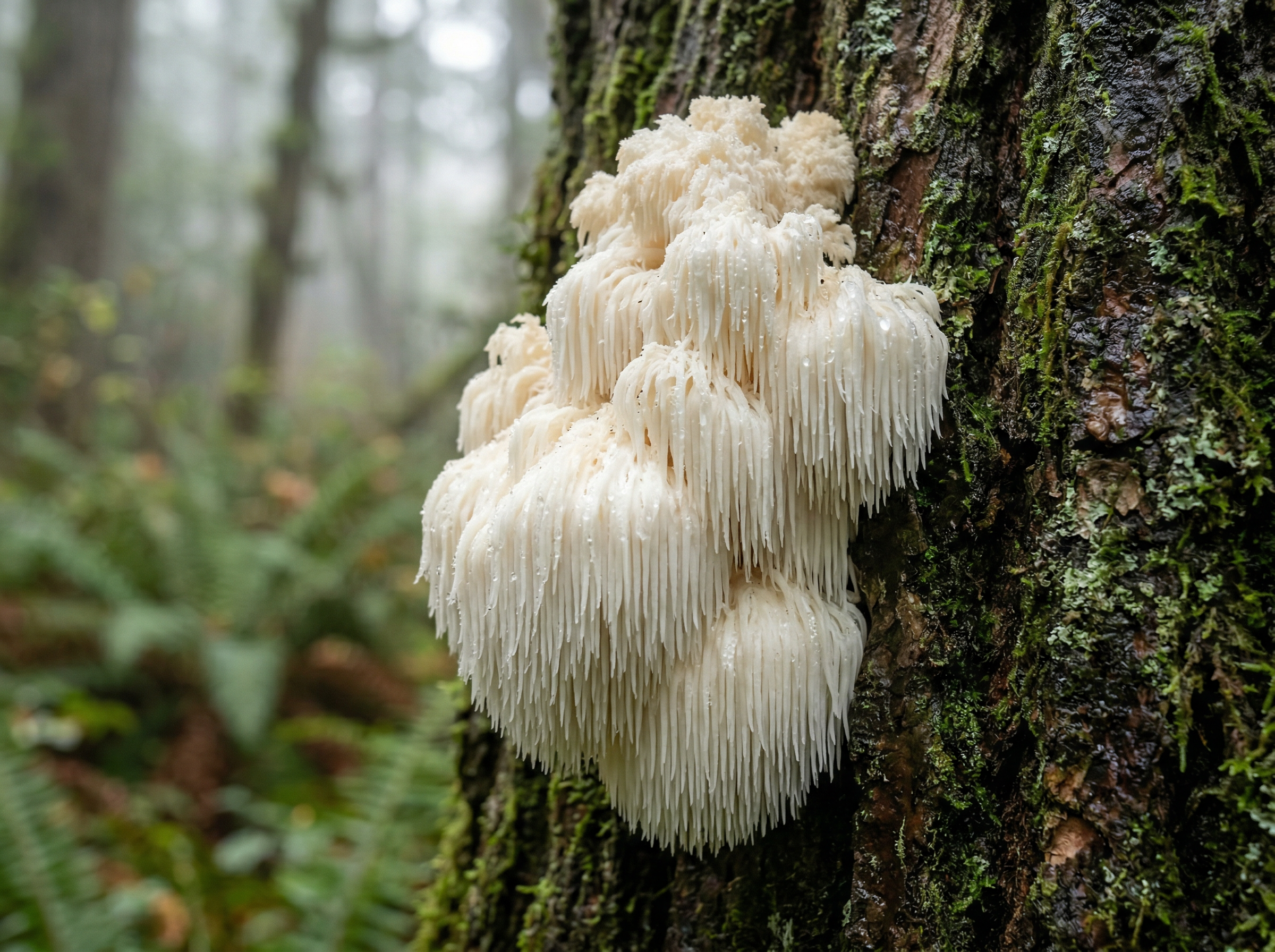
The only mushroom scientifically proven to stimulate Nerve Growth Factor (NGF) synthesis. Lion's Mane doesn't just protect neurons — it encourages your brain to grow new ones. Clinical trials show measurable improvements in mild cognitive impairment within 16 weeks of daily use. It's also being studied for peripheral nerve regeneration after injury.
HericenonesErinacinesBeta-glucans
Ganoderma lucidum
Reishi
Called "The Mushroom of Immortality" in traditional Chinese medicine for over 2,000 years — and modern science is starting to understand why. Reishi's triterpenoids are potent immunomodulators: they don't just boost your immune system, they teach it when to calm down. This makes Reishi uniquely valuable for autoimmune conditions, chronic inflammation, and sleep quality.
Ganoderic acidsTriterpenoidsPolysaccharides
Psilocybe cubensis & related species
Psilocybin
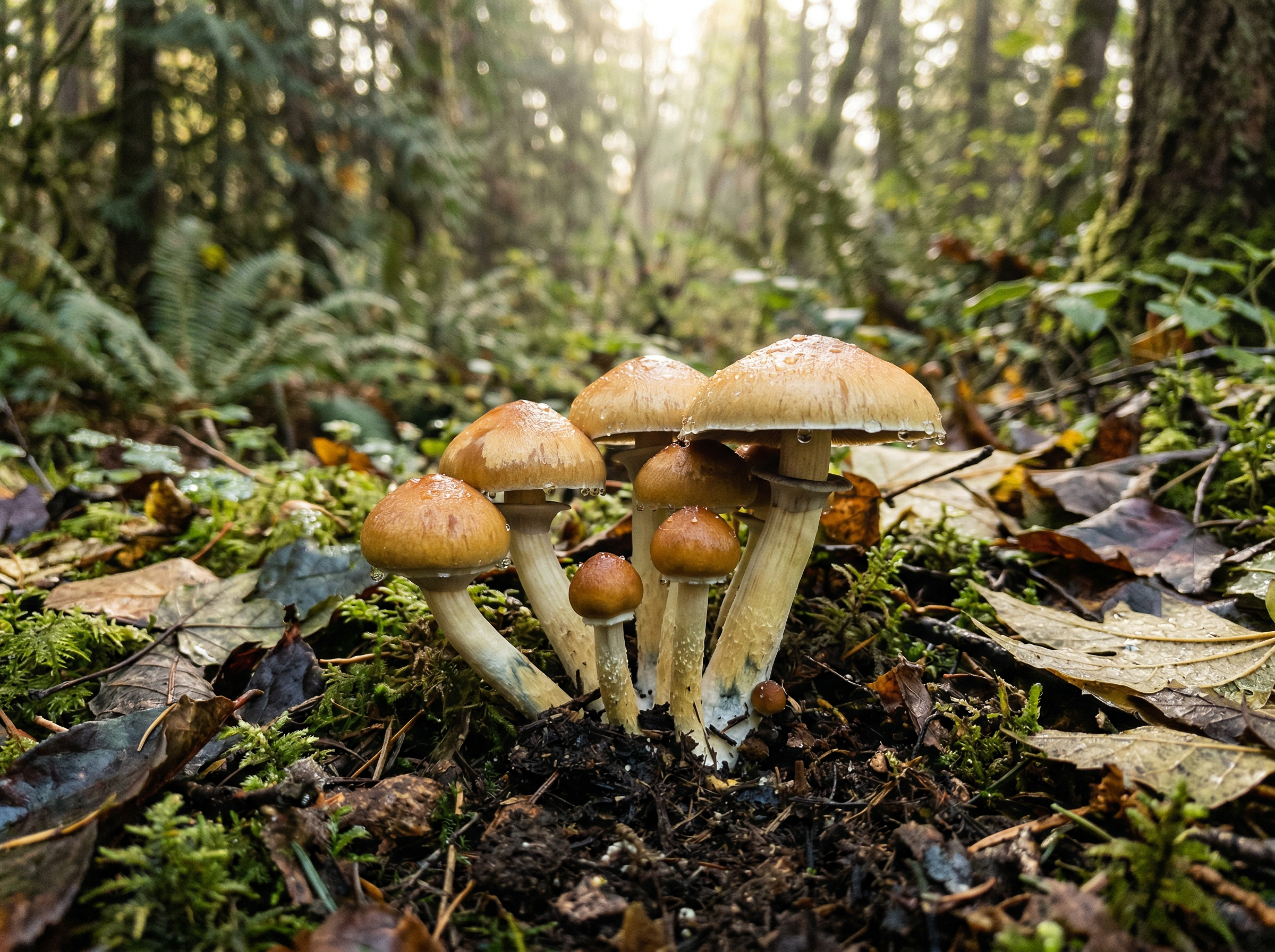
The compound that launched a revolution in mental health research. Psilocybin binds to serotonin 5-HT2A receptors and temporarily dissolves the brain's "default mode network" — the neural highway responsible for rigid thinking patterns. Johns Hopkins, Imperial College London, and NYU have published landmark studies showing psilocybin-assisted therapy produces rapid, lasting relief for treatment-resistant depression, end-of-life anxiety, and addiction.
PsilocybinPsilocinBaeocystin
Trametes versicolor
Turkey Tail
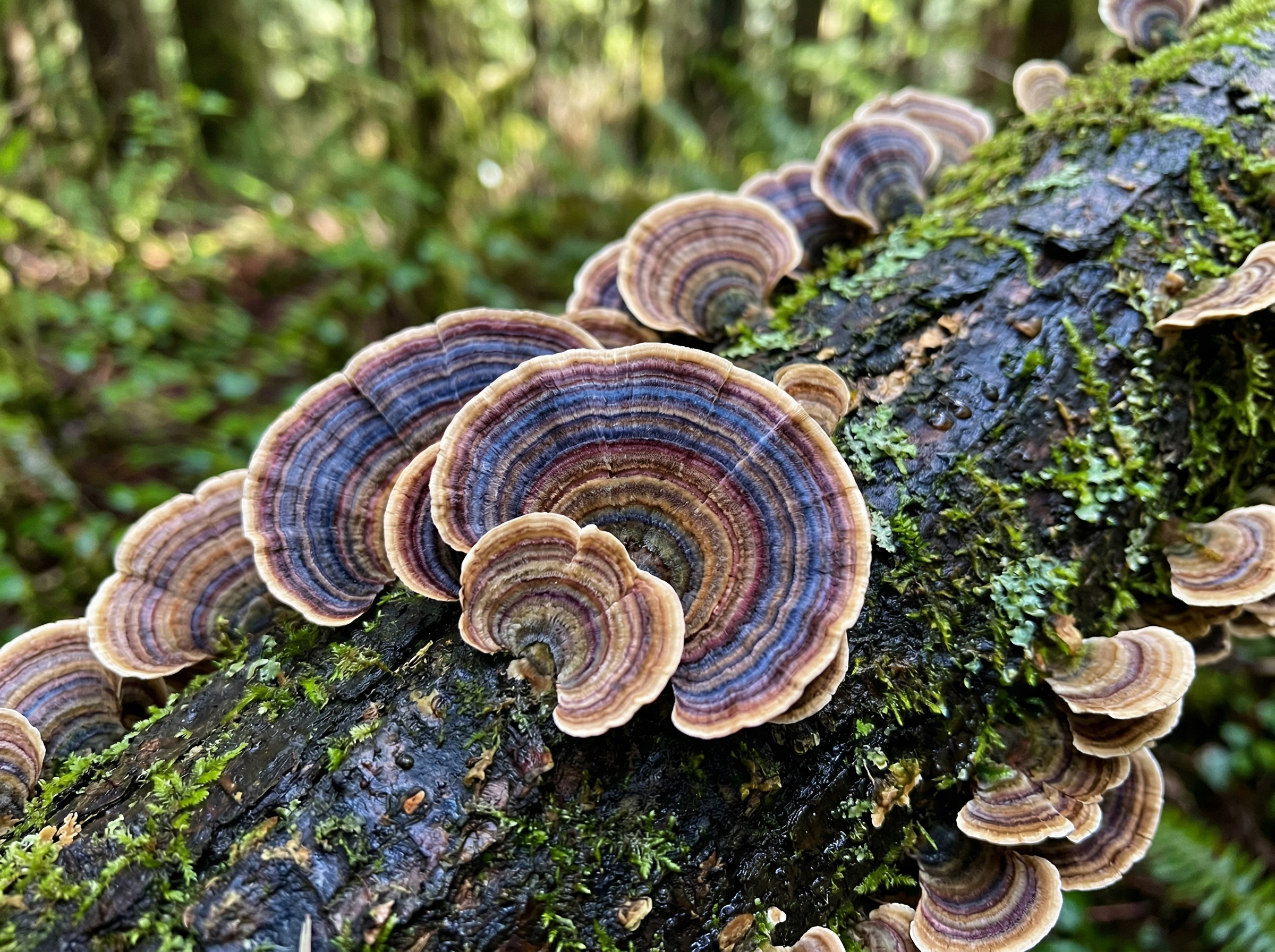
The most clinically studied medicinal mushroom in oncology. Turkey Tail's PSK (polysaccharopeptide Krestin) is an FDA-approved adjunct cancer therapy in Japan, where it's been used alongside chemotherapy since the 1970s. It doesn't kill cancer cells directly — it supercharges your natural killer cells and T-cells to recognize and destroy them. Paul Stamets' mother famously used Turkey Tail during her breast cancer treatment.
PSK (Krestin)PSPBeta-glucans
Inonotus obliquus
Chaga
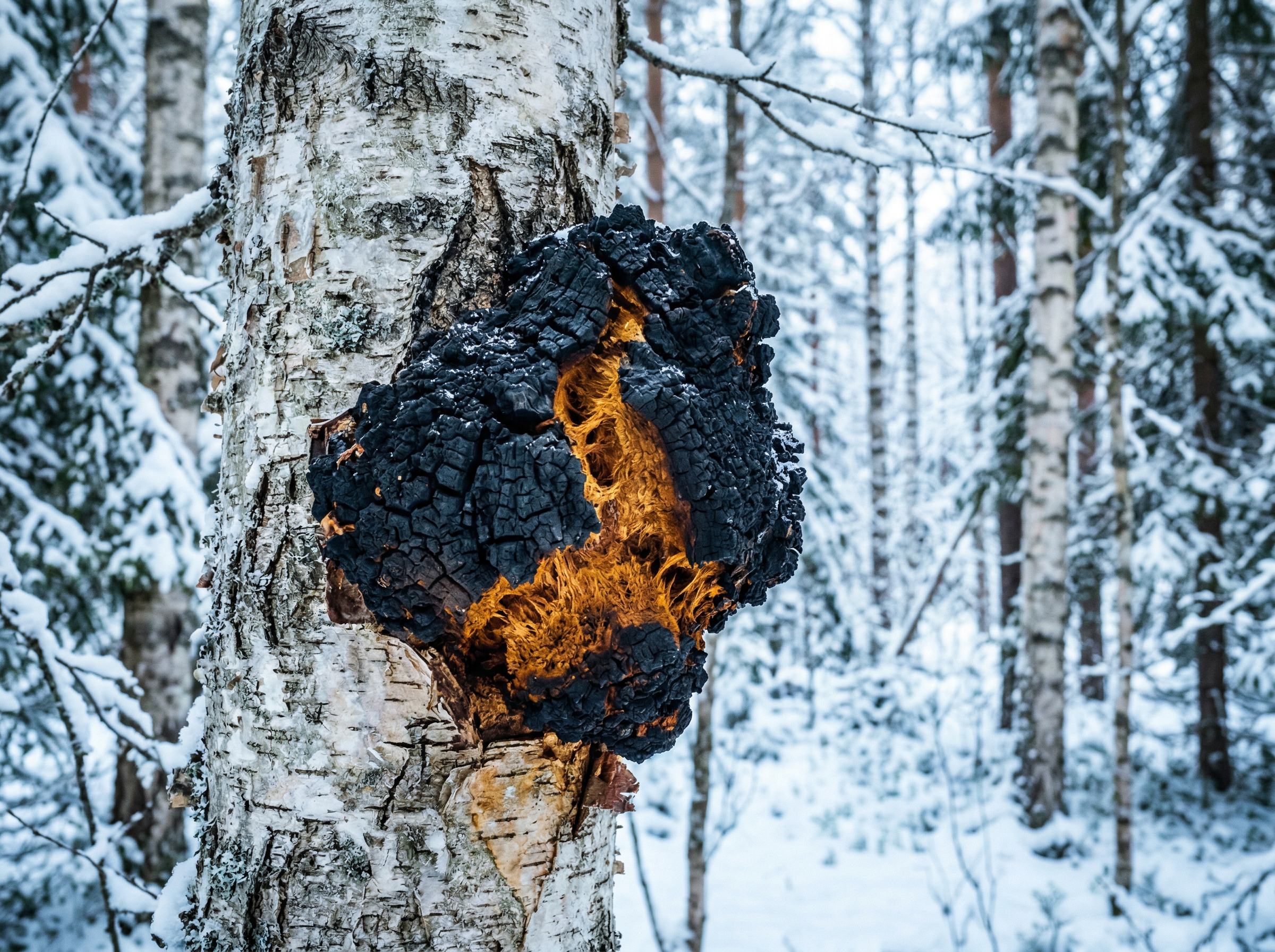
That charcoal-black growth on birch trees is one of the most concentrated sources of antioxidants on the planet — scoring higher on the ORAC scale than acai berries, blueberries, and dark chocolate combined. Chaga's betulinic acid (derived from the birch bark it consumes) shows potent anti-tumor and anti-viral properties in preclinical studies. Siberians have brewed it as tea for centuries for immune resilience during brutal winters.
Betulinic acidMelaninSOD enzymes
Cordyceps militaris & sinensis
Cordyceps
Nature's performance enhancer. Cordyceps increases cellular ATP production — the actual energy currency your cells use — by up to 28% in controlled studies. It does this by improving oxygen utilization at the mitochondrial level. Chinese Olympic athletes have used Cordyceps preparations since the 1990s. Clinical trials also show significant improvements in VO2 max, exercise tolerance, and sexual function in older adults.
CordycepinAdenosineBeta-glucans
The Science
How Mushroom Compounds Talk to Your Body
Mushrooms produce over 700 known bioactive compounds. Here's why your body is designed to listen to them — and what happens when it does.
Beta-Glucans: Your Immune System's Training Program
Beta-glucans are complex polysaccharides found in the cell walls of every medicinal mushroom. When you consume them, they bind to receptors on your macrophages, dendritic cells, and natural killer cells — essentially giving your immune system a detailed briefing on what threats look like. Unlike pharmaceutical immunostimulants that push the accelerator, beta-glucans teach your immune system to drive better.
The key difference between mushroom species lies not in whether they contain beta-glucans, but in the specific branching patterns of those molecules. Lion's Mane beta-glucans cross the blood-brain barrier. Turkey Tail's activate different immune cascades than Reishi's. This is why serious mycologists recommend species-specific supplementation rather than generic "mushroom blends."
Terpenes & Triterpenoids: The Anti-Inflammatory Arsenal
Reishi alone produces over 140 different triterpenoids — each one a unique molecular key that fits a different inflammatory lock. Ganoderic acid A inhibits histamine release. Ganoderic acid D modulates TNF-alpha. These aren't blunt instruments — they're precision tools that the fungal kingdom has been refining for hundreds of millions of years.
Neurotropic Compounds: Rebuilding the Brain
Lion's Mane's hericenones and erinacines are the only known natural compounds that stimulate Nerve Growth Factor (NGF) and Brain-Derived Neurotrophic Factor (BDNF) synthesis from outside the body. Psilocybin, meanwhile, promotes neuroplasticity — the brain's ability to form new connections — by temporarily disrupting established neural patterns. These are fundamentally different mechanisms, but both point to the same conclusion: fungi have been engineering molecules that repair and enhance nervous systems since before animals had brains.
"Mycelium is Earth's natural internet — a network that preceded our neural networks by a billion years and may hold the key to healing them."
MushrooomMicrodose Editorial
Microdosing 101
Sub-Perceptual Dosing: What the Research Shows
Microdosing means taking roughly 1/10th to 1/20th of a full dose — enough to influence neurochemistry without producing any psychoactive effects. Here's what we know, what we don't, and why the distinction matters.
The Fadiman Protocol
Developed by Dr. James Fadiman, the most widely studied microdosing schedule. One microdose every three days allows for a "dose day," an "afterglow day," and a full rest day to establish a baseline.
D1
D2
D3
D4
D5
D6
D7
The Stamets Stack
Mycologist Paul Stamets' protocol combines psilocybin microdoses with Lion's Mane and niacin (vitamin B3). The theory: psilocybin creates neuroplasticity, Lion's Mane stimulates NGF for nerve growth, and niacin acts as a vasodilator to push compounds to peripheral nerves. Four days on, three days off.
D1
D2
D3
D4
D5
D6
D7
What Science Actually Confirms
A 2022 study of 953 microdosers published in Nature found small but measurable improvements in mood, focus, and creativity compared to non-microdosing controls over 30 days. However, a rigorous double-blind placebo-controlled trial at Imperial College London found that placebo performed nearly as well — suggesting expectation plays a significant role. The honest answer: microdosing likely works, but we don't yet fully understand how much is pharmacological vs. psychological. More research is needed.
Legal Landscape
Where the Law Stands Right Now
The legal status of psilocybin and cannabis is shifting rapidly across the United States and globally. We monitor every legislative action, ballot measure, and federal ruling so you don't have to.
Legal / Regulated
Oregon — Psilocybin Services
Measure 109 (2020) created the nation's first regulated psilocybin therapy framework. Licensed service centers are now open, offering facilitated sessions with trained guides. Adults 21+ can access psilocybin therapy without a prescription or diagnosis.
Active since January 2023
Legal / Regulated
Colorado — Natural Medicine
Proposition 122 (2022) decriminalized psilocybin, psilocin, DMT, ibogaine, and mescaline for personal use by adults 21+. It also created a regulated access framework for facilitated psilocybin and DMT sessions, with licensed healing centers now operational.
Decriminalized 2023 · Services launching 2025
Decriminalized
Select U.S. Cities
Denver, Oakland, Santa Cruz, Seattle, Detroit, San Francisco, Somerville, Cambridge, and Washington D.C. have all decriminalized psilocybin possession. This means possession is the lowest law enforcement priority — not that it's legal.
Ongoing since 2019
Federal Action Pending
Cannabis Rescheduling (DEA)
The DEA is actively reviewing the reclassification of cannabis from Schedule I to Schedule III following HHS recommendation. This would acknowledge cannabis has accepted medical use, eliminate 280E tax burdens on legal businesses, and open the door to federally funded research. This does not legalize recreational cannabis but fundamentally changes the federal framework.
Under review · Updated April 2026
Research Expanding
FDA Breakthrough Therapy
The FDA has granted "Breakthrough Therapy" designation to psilocybin for treatment-resistant depression (Compass Pathways) and major depressive disorder (Usona Institute). This fast-tracks clinical trials and signals the FDA considers psilocybin a serious therapeutic candidate. Phase III trials are underway.
Breakthrough status granted 2018-2019
Bills Introduced
Active State Legislation
Over 100 psychedelic-related bills have been introduced across 30+ state legislatures. States including California, New York, Massachusetts, Connecticut, and Washington have active psilocybin therapy or decriminalization bills in various stages of committee review.
2024-2026 legislative sessions
About This Site
Education First, Always
Mushroom Microdose is a purely educational resource. We do not sell products, promote vendors, or provide medical advice. Our mission is to make the science of medicinal mushrooms and psilocybin accessible to everyone.
Every article is grounded in peer-reviewed research, cited with primary sources, and updated regularly as new studies and legal developments emerge.
Whether you are exploring functional mushrooms for wellness or tracking the evolving legal landscape of psilocybin therapy, this is your reliable, science-first resource.
Founder & Editor
Paul Pedreira
Paul Pedreira is the founder and editor of Mushroom Microdose. He spent 28 years in film production as an assistant director on feature films and television.
Outside of this site, Paul is the owner of Portland Best Buds, a boutique cannabis retail shop in Portland, Oregon, where he has worked inside the regulated psychoactives industry under OLCC oversight since the early days of legalization. He is also the founder of PBP Labs, a small software studio that recently launched the personal-safety app My Guardian SOS, with additional apps in development.
Paul has no financial interest in any psilocybin service center, mushroom product, or psychedelic clinic, and Mushroom Microdose accepts no advertising or sponsored placements.
The Library
Weekly Deep Dives & Breaking Research
Every week we publish new articles covering the latest research, legal developments, and practical guides. Our archive is your free, searchable knowledge base.
Legal UpdateJuly 13, 2026By Mushroom Microdose
Massachusetts Chooses Mushrooms Over Molecules: Inside the House's Narrow Psychedelic Pilot
On July 8, the Massachusetts House voted 148 to 2 for a five-year psychedelic pilot -- three clinics, DPH oversight, and one clause that quietly writes cannabis operators, pharma companies, and Compass-style molecule developers out of the room. Two years after voters rejected broad psilocybin legalization at the ballot box, the state has chosen the mushroom over the molecule. Whether the Senate and Governor Healey keep the language intact is the story now.
Two Doses, Six Months, Thirty-Nine Percent: Compass Just Closed the Book on Psilocybin's Second Phase 3, and the FDA Is Next
On July 7, Compass Pathways released the 26-week data from COMP006, the second and larger of its two Phase 3 trials of COMP360 -- a synthetic, GMP-grade formulation of psilocybin -- in treatment-resistant depression. This is the readout the field has been circling for almost two years, because it is the follow-through that tells you whether the effect the drug produces at week 6 actually lasts long enough to be a medicine. The headline numbers, drawn from the 581-patient trial and reported in the AFP release and in Psychedelic Alpha's July 7 dispatch: 39 percent of patients in the 25 mg arm achieved a clinically meaningful reduction in MADRS -- at least a 25 percent drop from baseline -- by week 6 after two fixed doses given three weeks apart, and those responders held that benefit, on average, out to at least week 26. In COMP005, the earlier Phase 3 with a single dose, the equivalent number was 25 percent. The Part A primary endpoint of COMP006, first reported in February 2026, was a 3.8-point placebo-adjusted MADRS separation at week 6 between the 25 mg and 1 mg arms -- highly statistically significant and, in this population, clinically real. What today's Part B data add is durability and a retreatment signal: nearly 30 percent of patients who responded at week 6 then went into remission after retreatment during weeks 9 to 26. Safety was uneventful for a Schedule I compound being pushed into a real regulatory package -- serious adverse events came in at 6.3 percent in the 1 mg arm and 5.7 percent in the 25 mg arm over six months, with the usual on-dosing-day transient effects (nausea, headache, anxiety, visual hallucination) and no new signals. There are honest caveats. Thirty-nine percent is not a knockout number when the comparator is another dose of the same drug rather than a placebo pill, and functional unblinding remains the field's oldest unsolved problem -- Hieronymus and colleagues have made this point loudly and correctly. The MADRS separation is smaller in absolute terms than what SSRIs post in their own registrational trials, but the onset is faster and the dosing footprint (two supervised sessions rather than daily pills for months) is fundamentally different. What matters procedurally is the next sentence in Compass's statement: the rolling NDA submission is on track for completion in Q4 2026, per TradingView's July 7 summary of the company disclosure. If the FDA accepts on standard review, the earliest approval decision lands mid-to-late 2027; if the previously granted breakthrough designation converts into a priority review voucher pathway, it could be sooner. Either way, for the first time since MDMA's collapse in 2024, a psychedelic is entering the review queue with two positive Phase 3s behind it. The mycology writes itself. The regulation is where the real trial begins.
Cordyceps for Cardio: What the 2026 Evidence Actually Says About Mushrooms in the Gym Bag
Walk into any supplement aisle in 2026 and a third of the pre-workouts on the shelf list Cordyceps militaris on the label. The marketing claims range from defensible to absurd, so let's open the most recent serious source on the question. On February 27, 2026, Nutrients published a narrative review by a European sports nutrition group titled "Current Evidence of Ergogenic and Post-Exercise Recovery Effects of Dietary Supplementation with Cordyceps militaris in Humans" (PMID 41829950; DOI 10.3390/nu18050781). The authors applied predefined eligibility criteria and a domain-based risk-of-bias appraisal, and they found exactly five intervention studies published between 2017 and 2024 that met the bar, totaling 321 participants between the ages of sixteen and thirty-five. Doses ranged from 1 to 12 grams per day. Supplementation periods ran from one week to sixteen. The outcomes were the ones an exercise physiologist would actually want: maximal or peak oxygen uptake (VO2max and VO2peak), time to exhaustion, power output, running performance, and the maintenance of peripheral oxygen saturation under high-intensity load. Several studies also tracked creatine kinase, blood urea, and inflammatory cytokines as markers of muscle damage and recovery. The signal the review identifies is modest but real and worth stating plainly. The most-cited study in the literature is Hirsch and colleagues, Journal of Dietary Supplements, 2017: a three-week protocol with a Cordyceps militaris-containing mushroom blend produced a 4.8 ml/kg/min improvement in VO2max and a 69.8-second improvement in time to exhaustion versus placebo, both statistically significant. Several follow-on studies replicated the direction of effect; others did not. Across the five-trial pool, the picture is consistent: when Cordyceps works in a healthy young adult, it tends to bump aerobic capacity and lactate handling at the margin, not transform performance. The proposed mechanism is also worth knowing. Cordyceps militaris is one of the few mushrooms that produces meaningful quantities of cordycepin (3'-deoxyadenosine), a nucleoside analog that binds adenosine receptors and appears in animal work to upregulate mitochondrial biogenesis and modulate nitric oxide signaling in skeletal muscle. The pharmacology is plausible. The clinical evidence is still thin. Here is the honest mycologist's read. If you are a recreational athlete looking for a one-to-two-percent edge in aerobic endurance and faster recovery from interval work -- the kind of margin that matters if you walk eighteen holes carrying a bag, or you are squeezing in three lifting sessions and two cardio days a week -- a 2-4 gram daily dose of a well-characterized Cordyceps militaris extract for three to six weeks is a defensible experiment. Pick a product that lists cordycepin content on the COA, not just total polysaccharides. Do not expect Cordyceps to outwork a hard training block, a sleep deficit, or a diet that is not lined up with your goals. The mushroom is a small lever, well placed. The headline claims -- "natural EPO," "performance enhancer," "oxygen booster" -- run several orders of magnitude ahead of what the 321-person literature actually shows. The trial we still do not have is a 200-person, twelve-week, dose-ranging study in trained adults with a cordycepin-standardized product and a meaningful primary endpoint. Whoever runs it well will move the field.
Seven Critics, Zero Industry, One Burden of Proof: What Actually Happens at the DEA's June 29 Cannabis Hearing
One week from today, at 9:00 a.m. Eastern, Chief Administrative Law Judge Derek Julius will gavel open the DEA's hearing on whether the remainder of cannabis -- everything that was not already moved under Acting Attorney General Todd Blanche's April 23 order rescheduling FDA-approved and state-licensed medical marijuana to Schedule III -- should follow it down to Schedule III. The proceeding runs through July 15 in the North Courtroom of the DEA Hearing Facility at 700 Army Navy Drive, Arlington, Virginia. It will not be televised, livestreamed, or broadcast, though the public may attend in person. On June 18 the DEA published the final participant list, and it is the news. Seven Designated Parties were invited, all opposed to reform: the National Drug & Alcohol Screening Association (NDASA), Smart Approaches to Marijuana (SAM), DUID Victim Voices, the Tennessee Bureau of Investigation, the states of Nebraska, Idaho, Indiana, and Louisiana (with Louisiana having since withdrawn from the related joint lawsuit), pain medicine physician Kenneth Finn, MD, and pharmacist Phillip A. Drum, PharmD. Reform-supporting applicants -- NORML, the Drug Policy Alliance, MMJ International Holdings, and others -- were rejected. The DEA's rejection letters, reported by Marijuana Moment, leaned on a single clause in 21 CFR 1300.01(b): pro-reform groups, the agency wrote, were not "adversely affected or aggrieved" by the proposed rule and therefore did not meet the definition of an interested person. The Biden-era version of these hearings, before they were withdrawn in April, included industry voices like Village Farms and The Doc App. This one does not. Here is the part the headlines have mostly missed. Judge Julius's June 18 prehearing order is twelve pages, and it includes the sentence that matters most: "The Government, as the proponent of the proposed rule, has the burden of proof." The DEA is not in the position of a neutral fact-finder weighing competing testimony. It must affirmatively prove, on a record built largely from opposition witnesses, that the remainder of cannabis belongs in Schedule III. Each Designated Party gets fifteen minutes for opening, up to two witnesses, two hours of direct per witness, and one hour of cross from each Interested Party. The government cross-examines the opposition. The opposition cross-examines the government. Prehearing statements are due June 24. Exhibits exchange June 25. A detailed daily schedule lands the same week. As a mycologist who has spent a decade watching botanical compounds get litigated as if they were single molecules, I find the procedural design more interesting than the participant list. The April order already rescheduled FDA-approved and state-licensed medical cannabis under the treaty-exception provision at 21 USC 811(d), and Judge Julius has now confirmed that medical rescheduling is settled law -- no evidence on that question will be received. What remains is recreational and adult-use cannabis, the larger and more politically loaded category. Whether the DEA can carry its burden using a witness pool drawn entirely from opponents will be the first real test of whether this hearing is fact-finding or theater. The record closes July 15. The judge's recommended decision comes after. Then the DEA Administrator, then a final rule, then the courts. The June 29 hearing is the first hour of a much longer fight, and the chairs at the table tell you a great deal about who the agency thinks should be in the room.
One Dose, Nineteen Hours, and a Woman Who Had Not Spoken in Sentences for Five Years: How to Read the Alzheimer's Case Report Without Losing Your Head
Last week the psychedelic internet detonated over a single paragraph in Frontiers in Neuroscience. The case report, by Marcos Lago, Mariana Cerveira, and Joe Xavier Simonet of the Associação Cruz de Ankh in São Paulo, describes an 80-year-old Japanese-American woman with a ten-year history of Alzheimer's disease and five years of profound hypofunction -- mostly monosyllabic speech, chronic urinary incontinence, dependent mobility, flat affect. Under medical supervision she received a single 5 g oral dose of psilocybin-containing mushrooms of the Enigma strain. She entered a prolonged sleep-like state with heavy sweating. Approximately nineteen hours after administration, the authors write, the patient "spontaneously initiated autobiographical conversation lasting several hours." Over the following weeks she regained urinary continence after five years of incontinence, walked unaided, dressed herself, recognized family members by name, and held sustained reciprocal conversation. A second supervised session at 3 g one month later extended the improvements, including spontaneous humor and a vivid recollection of surfing with her son. I want to give you an honest mycologist's read of what this paper does and does not show, because the headlines are already running ahead of the evidence. What it shows: a real clinical observation, written up with appropriate caution, by clinicians who explicitly say their finding is hypothesis-generating, not curative. The proposed mechanism is plausible. Psilocin, the active metabolite, is a 5-HT2A receptor agonist that acutely increases glutamatergic transmission and, in rodent models, induces dendritic spine growth within twenty-four hours. It also reduces within-network connectivity in the default mode network while increasing between-network communication -- effects documented by Robin Carhart-Harris and others over the past decade. The authors' framing -- that residual functional circuits in late-stage neurodegeneration may be temporarily accessible under specific neuromodulatory conditions -- is a careful claim, not a cure narrative. What it does not show: that psilocybin treats Alzheimer's disease. This is n=1. There is no control, no neuroimaging confirmation of the diagnosis, no biomarker measurement, no blinded outcome assessment, and no long-term follow-up beyond the initial weeks. The dose used -- 5 g of dried mushrooms -- is roughly two to five times what is administered in controlled psilocybin trials, in a medically fragile octogenarian, and produced sustained autonomic activation that several commentators have flagged as a serious safety concern in this population. Independent geriatric neurologists quoted in Medical News Today were emphatic: do not attempt this at home. The serious read is that this report adds to a small but growing literature -- Vann Jones and O'Kelly's 2020 review in Frontiers in Synaptic Neuroscience, the Compass-funded NCT04123314 high-dose psilocybin trial in early Alzheimer's depression, and the ongoing work at Johns Hopkins on psilocybin for mild cognitive impairment -- suggesting that the 5-HT2A system may have something genuine to offer in dementia care. One case does not change practice. It does change the hypothesis space. The right next step is a randomized, dose-ranging, biomarker-anchored trial, not a TikTok protocol.
The Lion's Mane Evidence Base in 2026: What the Best Trials Actually Show, and Where the Claims Outrun the Data
Lion's Mane (Hericium erinaceus) is now the most-searched functional mushroom on the internet, and the gap between what the marketing claims and what the trials show has never been wider. As a mycologist who reviews this literature for a living, I want to give you an honest map of where the evidence actually stands at the midpoint of 2026. Start with the active ingredients. The fruiting body contains hericenones, which can cross the blood-brain barrier in modest amounts. The mycelium contains erinacine A, a cyathane diterpenoid that is structurally distinct and almost certainly the more potent neurotrophic agent. A January 2026 review in Molecules by a research group at Fujian Agriculture and Forestry University catalogues the mechanism: erinacine A stimulates the synthesis of nerve growth factor (NGF) in cortical neurons at sub-micromolar concentrations and shows neuroprotective activity in rodent Alzheimer's, Parkinson's, and stroke models. That is real, replicable preclinical biology. It is not yet human efficacy. Now the human data. The most-cited trial is still the 2009 Mori study in Japan: 30 adults aged 50 to 80 with mild cognitive impairment, 16 weeks of 1 g three times daily of pure fruiting body powder, statistically significant improvement on the Hasegawa Dementia Scale that disappeared four weeks after stopping. Translation: it may work, and it stops working when you stop taking it. A 2024 Polish trial in Journal of Functional Foods, led by Dorota Zielinska at Warsaw University of Life Sciences, randomized 33 adults to erinacine A-enriched mycelium versus placebo for eight weeks and found significant improvements on non-verbal speed tests, increased gut microbiota diversity, and changes in circulating BDNF and neuropeptide Y. A small but mechanistically informative result. A 2023 Nutrients pilot from Northumbria University (n=41 healthy young adults) found faster Stroop performance 60 minutes after a single 1.8 g dose and a trend toward reduced subjective stress after 28 days. The acute attention effect is intriguing and unusual. None of these trials are large. The most rigorous ongoing study I am tracking is HECOG (ClinicalTrials.gov NCT07405632), launched in February 2026 at the SWPS University of Social Sciences and Humanities in Warsaw, enrolling actively working middle-aged women -- a refreshingly specific cohort designed to test whether Lion's Mane delivers the cognitive benefits its label promises to its largest demographic of buyers. Adaptogenic blends are also gaining real clinical attention. A January 2026 Brain and Behavior paper reported a 50-person randomized controlled trial of Restake, a proprietary five-mushroom blend (Lion's Mane, Reishi, Cordyceps, Chaga, Turkey Tail), showing reductions in anxiety (STAI-S, HAM-A), depression (BDI), fatigue, and improvements in sleep quality at six and twelve weeks, alongside measurable drops in serum cortisol, ACTH, and CRP. Where does this leave you? Three honest takeaways. First, the mechanism is real but most of the human efficacy data are small, short, or in compromised populations. Second, fruiting body and erinacine A-enriched mycelium are not interchangeable -- check your label. Third, if you are buying for a young, healthy brain, the data thin out fast; if you are buying for stress and sleep, the adaptogenic blend evidence is now your best signal. The science is moving. So is the marketing. Buy from the science.
Twenty-Eight Days to June 29: What's Actually at Stake in the DEA's Cannabis Rescheduling Hearing
On May 26, the National Organization for the Reform of Marijuana Laws (NORML) filed a Notice of Intention to Participate in the Drug Enforcement Administration's upcoming administrative hearing on the proposed rescheduling of botanical cannabis. Their argument is straightforward: if any party deserves a seat at the table, it is the consumers and patients whose lives are most directly affected. NORML filed last year too. They were not selected. This year is the bigger test. The hearing begins June 29 at the DEA Hearing Facility in Arlington, Virginia, and runs through July 15, with a recess for Independence Day. The DEA will publish its selection of "interested persons" by June 22, choosing from notices of intent that closed May 24 by email and May 20 by mail. The hearing is governed by an administrative law judge to be designated by Acting Attorney General Todd Blanche, since the previous chief ALJ retired in July 2025 after the 2025 hearings collapsed under an interlocutory appeal. As a mycologist who pays close attention to how botanical regulation works -- because what happens to cannabis next sets the template for psilocybin -- I want to be precise about what this hearing will and will not decide. The DEA's April 23 interim final rule already moved two specific categories of cannabis to Schedule III: FDA-approved drug products containing marijuana, and marijuana subject to a qualifying state-issued medical license. Recreational cannabis remained Schedule I. The June 29 hearing addresses the broader 2023 HHS recommendation: should botanical cannabis as a whole, including recreational, also move to Schedule III? That is a meaningfully larger question, and it will determine whether the cultivation and sale of state-licensed adult-use cannabis can finally exit the federal gray zone in which dispensaries currently operate. The Treasury and IRS guidance issued April 23 is already reshaping the economics. The transition rule treats the rescheduling as applying to a business's full tax year that includes the April 22 effective date, meaning qualifying medical cannabis operators can deduct ordinary business expenses for all of 2026 -- a substantial relief from the Section 280E penalty that has burdened the industry since 1982. The DEA also recommended retrospective 280E relief in its order, though Treasury has not yet indicated whether it will adopt that recommendation. Three things to watch over the next twenty-eight days. First, who gets a seat. The DEA's interested-persons list will tell us whether consumer advocates like NORML, scientific organizations, and patient groups are included alongside industry counsel. Second, the scope question. Will the hearing be limited to the 2023 HHS recommendation, or will the ALJ entertain broader testimony on safety, abuse potential, and accepted medical use? Third, the role of state attorneys general and dual-license operators. States with both medical and recreational programs are facing immediate apportionment headaches that only federal clarity can resolve. None of this is final. The Administrative Procedure Act provides for judicial review, and the rulemaking process will not conclude on July 15. But for the first time since the Controlled Substances Act was passed in 1970, a serious federal proceeding is underway to consider whether cannabis as a whole belongs in Schedule I at all. By Independence Day, we will have a much clearer sense of where this lands.
Read full article
LegalMay 25, 2026
The Spring Session Closes: Minnesota Settles for a Study, New York Races the Clock, and the Map Keeps Shifting
State legislative sessions are short instruments, and this is the week the music stops in two states that matter most for psilocybin policy. Minnesota and New York have spent the spring trying to follow Oregon, Colorado, and New Mexico into the small but growing club of states with regulated medical psilocybin programs. The results so far are mixed, and they reveal exactly how this kind of reform travels through American statehouses. Start with Minnesota. On May 8, the House passed an amendment to its broader health package -- sponsored by Representative Andy Smith (DFL-Rochester) -- that would have legalized a 1,000-person psilocybin-assisted therapy pilot for adults 21 and older with PTSD, chronic pain, substance use disorder, and other qualifying conditions. It would have made Minnesota the fourth state after Oregon, Colorado, and New Mexico with supervised access. The Senate, which had passed its own version of the broader bill, never agreed to the pilot. When the session adjourned May 18, what survived the conference committee was much smaller: an authorization for the state Office of Cannabis Management to research and submit a report on a potential future pilot program. Smith said he expects a multi-million-dollar pilot to clear next session, partly because federal money is now on the table. The Trump executive order signed April 18 set aside $50 million for federal-state collaboration on psychedelic research. New York is a different story. On May 18, Assembly Health Committee Chair Amy Paulin and Senator Julia Salazar formally introduced their amended bill, A2142-A and its Senate companion S5303-A, establishing a regulated medical psilocybin framework administered by the New York State Department of Health. The amendments, drafted after a September public hearing, tightened the definition of supervised use, created a licensed category of qualified supervisors, and routed product through providers rather than directly to patients. Modeled in part on New Mexico's program, the bill prioritizes veterans and patients with treatment-resistant conditions. Paulin has roughly two weeks: session ends June 4. As a mycologist watching this map redraw itself in real time, I want to highlight three patterns worth understanding. First, the pilot model is becoming the dominant template. Cautious, bounded, supervised, with state health departments as the regulator -- this is the post-Oregon consensus, and it works around the federal Schedule I problem by treating psilocybin as a controlled therapeutic rather than a consumer product. Second, federal action is now an accelerant rather than a barrier. The Trump executive order, the Department of Justice's April 23 placement of FDA-approved cannabis products into Schedule III, and the FDA's commissioner-level priority vouchers for psychedelic candidates have changed the political math in state capitols. Republicans who would not have touched this issue three years ago are voting yes. Third, the bottleneck is now operational. Even where bills pass, the questions of cultivation, testing, transport, facilitator licensing, and insurance coverage take longer to answer than the legislation that authorizes them. Colorado opened its first state-licensed healing centers in March 2025, nearly two years after voters approved Proposition 122. The science is moving fast; the regulatory plumbing is not. By June 5, we will know whether New York joins the club this year. Minnesota will almost certainly try again in 2027. The map is no longer asking whether more states will follow. It is asking which ones and how quickly.
Read full article
ResearchMay 18, 2026
One Dose of Psilocybin Beat Every Cocaine Addiction Drug Ever Tested. A Ten-Year Trial Finally Says How Much
On May 7, JAMA Network Open published a randomized clinical trial that has been a decade in the making and may reshape addiction medicine: a single 25 mg per 70 kg dose of psilocybin, combined with cognitive behavioral therapy, produced clinically meaningful and durable reductions in cocaine use in adults with severe cocaine use disorder. The trial was led by Peter Hendricks, the Heersink Endowed Chair of Psychiatry at the University of Alabama at Birmingham, and funded by UAB and the Heffter Research Institute. The headline numbers, from a sample of 40 adults: at 180 days post-treatment, 30 percent of the psilocybin group was completely abstinent from cocaine, confirmed by urinalysis, versus zero percent in the placebo group. Those who continued using cut their average use from 12 days per month to 1.5. Six participants had no cocaine in their urine at six months -- all six received psilocybin. Stephen Ross, a psychiatry professor at NYU not involved in the work, told Science magazine this is "significantly better than any medication ever tested to treat cocaine use disorder." The magnitude matters because for four decades, nothing has worked. Cocaine use disorder remains one of the only major substance use disorders with no FDA-approved pharmacotherapy. As a mycologist who follows the addiction literature, two design choices in this study deserve special attention. First, the active placebo. Hendricks used diphenhydramine -- the antihistamine in Benadryl -- which at high doses produces sedation and cognitive slowing, making it a real attempt to control for the unmistakable subjective effects of a psychedelic. Most participants still correctly guessed their assignment, but the trial is more honest than studies using inert placebo. Second, the cohort. Of the 40 participants, 33 were Black, 33 were men, and most earned less than $20,000 per year. Psychedelic research has long been criticized for a WEIRD sample bias -- Western, Educated, Industrialized, Rich, Democratic. Hendricks deliberately recruited from the populations most affected by cocaine use disorder. That this finding emerged in this cohort makes it harder to dismiss as an artifact of expectancy in psychologically minded volunteers. The mechanism story is converging. Joshua Siegel and colleagues at Washington University showed last year that psilocybin produces large-scale desynchronization of brain networks, with lasting changes in the default mode network and hippocampus. Combine that with the Lyons and Carhart-Harris white matter findings I covered last week, and the picture is consistent: psilocybin transiently destabilizes entrenched neural patterns, opening a window in which psychotherapy can do unusually heavy lifting. This is not naltrexone-style receptor blockade. It is a neuroplasticity-enabled behavioral intervention. Limitations are real and the authors are explicit about them: small sample, lead investigator also serving as primary therapist, no perfect way to isolate drug effects from psychotherapy effects. Hendricks is now seeking funding and an industry partner -- likely Filament Health, which holds an exclusive license to the data -- for a larger multi-site replication. If those trials hold, cocaine use disorder may not be untreatable after all. It may just have been waiting for the right mushroom.
Read full article
ScienceMay 11, 2026
One Dose, One Month Later: Psilocybin Physically Rewires the Human Brain, Says New UCSF and Imperial College Study
On May 5, Nature Communications published a paper with a title as bold as its findings: "Human brain changes after first psilocybin use." Lead author Taylor Lyons of Imperial College London and senior author Robin Carhart-Harris, the Ralph Metzner Distinguished Professor of Neurology at UC San Francisco, recruited 28 psychedelic-naive healthy adults and gave each of them two doses of psilocybin one month apart -- a 1 mg placebo first, then 25 mg, the standard therapeutic dose used in Compass Pathways' Phase 3 trials. They measured the brain three ways: EEG during the experience, functional MRI before and after, and diffusion tensor imaging (DTI) -- a technique that tracks water movement along white matter tracts to estimate the physical integrity of neural wiring. The results are striking. Within 60 minutes of the 25 mg dose, cortical signal entropy on EEG climbed sharply -- the brain's electrical activity became more diverse, more flexible, less locked into its habitual patterns. One month later, DTI scans revealed decreased axial diffusivity in prefrontal-subcortical tracts connecting the frontal cortex to the striatum and thalamus, regions that govern motivation, emotion regulation, and decision-making. Decreased axial diffusivity, in plain terms, means denser, more structurally intact white matter. As Carhart-Harris noted, this is the opposite of what happens during normal aging. None of these effects appeared in the 1 mg placebo condition. As a mycologist who reads this literature carefully, I want to flag what makes this paper unusual. Most psychedelic neuroscience to date has measured functional connectivity -- which brain regions talk to each other and how synchronously. This study measured anatomical connectivity, the physical wiring itself. If the findings replicate in larger samples, this will be the first direct human evidence that a single psychedelic dose can produce structural neuroplasticity at the white-matter scale. Rodent work from the Olson lab at UC Davis has shown dendritic spine growth after psilocybin, but humans are not mice, and DTI changes at one month suggest something more durable than spine turnover alone. The mechanistic chain the authors propose is testable and elegant: acute brain entropy (within hours) predicts psychological insight (next day), which predicts well-being improvements (one month), which correlates with measurable changes in network modularity and white matter integrity. In other words, the subjective trip is not incidental to the therapy. It is the therapy, biologically inscribed. There are real limitations. The sample is small (n=28), the design is fixed-order (placebo always first), and DTI signal changes can reflect multiple underlying processes -- pruning, growth, or remyelination -- which the authors candidly acknowledge. Psilocybin used in the study was supplied by Compass Pathways, whose COMP360 is now in FDA rolling review. None of this undermines the finding; it sets the agenda for the next generation of studies. The science of how psilocybin works is moving from theory to anatomy. The trip leaves a footprint. We can finally see it.
Read full article
ResearchMay 4, 2026
The First Living Meta-Analysis of Psilocybin for Depression Just Dropped. Here's What 15 Trials Actually Show
On April 25, Nature Mental Health published what may be the most consequential paper in psychedelic psychiatry this year: a living systematic review and meta-analysis of every randomized controlled trial of psilocybin for depression conducted to date. The lead author is Stephanie Singleton of the University of Pennsylvania, working with collaborators at Vrije Universiteit Amsterdam and an international consortium. They pooled 15 RCTs and made the entire dataset, including search strategy and effect-size calculations, openly available -- a methodological move that matters almost as much as the result. The headline finding is straightforward: psilocybin produces a statistically significant reduction in depressive symptoms compared to placebo or active comparators across the published literature. The effect was robust across different depression populations -- treatment-resistant depression, major depressive disorder, and depression in patients with life-threatening illness -- and across different dosing protocols. As a mycologist who has watched this literature accumulate trial by trial, what struck me is not the headline but the honesty. Singleton's group is unusually candid about the limitations: most trials are small, blinding is famously difficult with a substance that produces unmistakable subjective effects, and longer-term follow-up data remain thin. They specifically call for larger, more rigorous trials -- which is exactly what is now arriving. Compass Pathways' COMP005 (258 patients) and COMP006 (581 patients) Phase 3 trials, both reporting clinically meaningful reductions of 3.6 to 3.8 points on the MADRS depression scale, will fold into the next annual update of this living review. So will the upcoming readouts from Helus Pharma's PARADIGM program (CYB003) and GH Research's 5-MeO-DMT Phase 3. The mechanism story is moving in parallel. A bioRxiv preprint posted April 17 from Yale's Alex Kwan laboratory shows that psilocybin selectively reduces firing of somatostatin-expressing inhibitory interneurons in the medial frontal cortex while increasing parvalbumin interneuron activity, an effect mediated by 5-HT1A receptors rather than the more famous 5-HT2A pathway. This is the first time the long-term behavioral effects of psilocybin have been pinned, in part, to a non-2A mechanism -- a finding with real implications for next-generation analog design. Why does a meta-analysis matter when individual trials already make headlines? Because regulators, payers, and clinical guideline committees do not approve drugs based on press releases. They aggregate evidence. A living meta-analysis -- updated annually as new RCTs publish -- gives the field a continuously current evidence base for the first time. When the FDA reviews Compass Pathways' rolling NDA later this year, and when state medical boards write practice guidelines after a potential 2027 approval, this is the kind of synthesis they will reach for. The science is no longer asking whether psilocybin works for depression. It is asking how reliably, in whom, for how long, and through which receptors. Singleton et al. have given us a permanent place to track the answers as they arrive.
Read full article
CannabisApril 27, 2026
Cannabis Just Moved to Schedule III. Why That Matters for the Entire Botanical Medicine Pipeline
On April 23, the Department of Justice and the Drug Enforcement Administration issued an interim final rule placing FDA-approved cannabis products and state-regulated medical marijuana into Schedule III of the Controlled Substances Act -- the most significant federal cannabis reclassification since the CSA was enacted in 1970. Acting Attorney General Todd Blanche framed the action as a research and safety measure, citing decades of accumulated clinical data on cannabinoids, including dronabinol and nabilone, both of which have been Schedule III for years. The rule was issued pursuant to President Trump's December 18, 2025 Executive Order on Increasing Medical Marijuana and CBD Research, and a broader administrative hearing on permanent rescheduling is scheduled for June 29. As a mycologist who studies botanical pharmacology, I read this announcement carefully -- because how the federal government regulates one plant medicine usually previews how it will regulate the next. Cannabis sets the template for psilocybin. Three changes deserve close attention. First, Section 280E of the Internal Revenue Code -- the provision that has prevented state-licensed cannabis operators from deducting ordinary business expenses -- does not apply to Schedule III substances. Analyses by Frier Levitt and others project this single change will free hundreds of millions of dollars annually for cannabis businesses to reinvest in research, compliance, and product safety testing. Second, Schedule III status meaningfully reduces barriers to academic and clinical research. Investigators no longer need a Schedule I registration, and DEA-approved supply chains expand. Expect a wave of new IND filings on minor cannabinoids -- CBG, CBN, THCV -- compounds that have been pharmacologically interesting for a decade but logistically impossible to study at scale. Third, the rule clarifies the FDA's regulatory pathway for cannabis-derived drug products, which previously existed in a gray zone between Epidiolex (an approved Schedule V cannabidiol product) and the broader unapproved market. None of this is a green light for recreational cannabis. The rule explicitly preserves federal prohibitions on non-FDA-approved, non-state-regulated products, and the Administrative Procedure Act rulemaking process leaves room for judicial review. State conformity is also uneven: roughly 25 to 30 states will need to update their own controlled substances schedules to match. But the direction of travel is now unambiguous. A botanical compound that was Schedule I for 55 years is now in the same regulatory tier as ketamine and buprenorphine. For those of us watching psilocybin's path through the FDA -- with Compass Pathways' COMP360 now in NDA rolling review and a Commissioner's National Priority Voucher in hand -- the cannabis precedent matters enormously. The federal government has just demonstrated, in real time, that it can reschedule a Schedule I plant medicine when the science supports it. The next mushroom is watching.
Read full article
Legal UpdateApril 20, 2026
Trump Signs Executive Order to "Dramatically Accelerate" Psychedelic Medicine -- Here's What It Actually Does
On April 18, President Trump signed an executive order directing the FDA to prioritize psychedelic drug review, the DEA to reduce research barriers, and HHS to allocate $50 million in matching funds for state psychedelic research programs. FDA Commissioner Marty Makary announced IND clearance for ibogaine, meaning U.S. clinical trials can now begin. Three psychedelic compounds were added to the National Priority Voucher program for expedited review. The order also opens a Right to Try pathway for ibogaine and potentially psilocybin. However, experts at the Petrie-Flom Center at Harvard note that much of the language is aspirational -- the DEA is already required to reschedule drugs within 90 days of FDA approval, and the "shall" language around priority vouchers still defers to existing FDA criteria. The real signal here is political: psychedelic medicine now has explicit White House backing. For Compass Pathways, whose COMP360 psilocybin therapy hit both Phase III endpoints in February and plans to file an NDA in Q4 2026, this executive order clears political headwinds that could have slowed a 2027 launch. Meanwhile, the DEA has boosted its 2026 legal psilocybin production quota to 50,000 grams -- up from 30,000 last year -- signaling the research pipeline is accelerating from every direction.
Read full article
Legal UpdateApril 13, 2026
Virginia Signs "Trigger Law" to Auto-Legalize Psilocybin Upon FDA Approval — And It Could Change Everything
Governor Abigail Spanberger signed HB 1347 and SB 379 on April 8, creating a first-of-its-kind legal mechanism: Virginia will automatically legalize FDA-approved psilocybin formulations the moment the DEA reschedules them. The Board of Pharmacy must begin rulemaking at its next quarterly meeting after the Federal Register publishes the scheduling change. Meanwhile, the DEA filed its fifth identical status report on cannabis rescheduling on April 7 — reporting zero progress. The contrast is striking: states are building legal infrastructure for psychedelic medicine while federal agencies stall on cannabis. Virginia's approach eliminates the years-long legislative lag that typically follows federal action. If Compass Pathways' COMP360 wins FDA approval in 2027 as projected, Virginia patients could access psilocybin therapy faster than any state outside Oregon and Colorado. At least 36 psychedelic-related bills are now active across more than a dozen state legislatures, and Minnesota's bipartisan HF2906 is advancing its own therapeutic psilocybin program through committee. The dominoes are falling — and Virginia just showed other states how to position themselves at the front of the line.
Read full article
ResearchApril 6, 2026
Johns Hopkins Publishes Largest Psilocybin Trial to Date: What 500 Patients Tell Us
The landmark Phase III trial shows sustained depression remission at 12 months in 67% of participants — nearly triple the rate of traditional SSRIs. We break down the methodology, the caveats, and what this means for FDA approval.
Read full article
CannabisApril 4, 2026
Cannabis Rescheduling Update: DEA Comment Period Closes — What Happens Next
After receiving over 40,000 public comments, the DEA's formal rulemaking process for moving cannabis to Schedule III enters its final phase. We explain the timeline, the legal mechanics, and the practical impact on patients and businesses.
Read full article
ScienceMarch 30, 2026
Lion's Mane and Alzheimer's: The Clinical Evidence So Far
A comprehensive review of every human clinical trial on Hericium erinaceus and cognitive function. What the data actually shows, where the gaps are, and why the dosage matters more than most supplement brands admit.
Read full article
GuideMarch 23, 2026
The Beginner's Guide to Medicinal Mushroom Extracts vs. Powders
Hot water extract, dual extract, whole fruiting body, mycelium on grain — the supplement industry makes this deliberately confusing. Here's the straight answer on what actually delivers bioactive compounds to your body.
Read full article
Legal UpdateMarch 16, 2026
Massachusetts Psychedelic Therapy Bill Advances to Senate Floor
The Massachusetts Senate Ways and Means Committee has advanced S.58, which would create a regulated framework for psilocybin-assisted therapy. We track the bill's provisions, key amendments, and expected timeline for a vote.
Read full article
WellnessMarch 9, 2026
Cordyceps for Athletic Performance: Separating Hype from Evidence
The supplement industry claims Cordyceps will make you an elite athlete. The science says something more nuanced. We review every VO2 max study, the ATP mechanism, and what actually works for everyday fitness.
Read full article
ResearchMarch 2, 2026
Chaga's Betulinic Acid Shows Promise Against Pancreatic Cancer in Preclinical Trials
A University of Helsinki study demonstrates that betulinic acid from Chaga induces apoptosis in pancreatic cancer cell lines while leaving healthy cells intact. We explain what preclinical means, why caution is warranted, and what comes next.
Read full article
CannabisFebruary 23, 2026
280E Tax Relief: How Rescheduling Would Save Cannabis Businesses Millions
Section 280E of the IRS code has been the financial death sentence for legal cannabis businesses. We explain what changes under Schedule III, how much dispensaries would save, and the timeline for when relief would actually arrive.
Read full article
ScienceFebruary 16, 2026
The Mycelium Network: How Fungi Built Earth's First Internet
Beneath every forest lies a vast fungal communication network that shares nutrients, sends chemical warning signals, and connects trees across acres. Scientists call it the "Wood Wide Web." Here's how it works and what it teaches us about intelligence without a brain.
Read full article
LegalApril 20, 2026
Regulated to Death: How Oregon Handed Psilocybin to the Wealthy and Called It Progress
How much does psilocybin therapy cost in Oregon in 2026? Sessions run $1,000-$5,000, a third of the state's licensed service centers have closed, and the average client earns nearly double the state median income. Inside Oregon's psilocybin economics -- and what the state's regulatory apparatus got wrong.
The Largest Psychedelic Brain Study Ever Just Revealed a Shared Neural Fingerprint
A Nature Medicine study of 267 participants and more than 500 brain scans across five psychedelics -- psilocybin, LSD, DMT, ayahuasca, and 5-MeO-DMT -- identified a two-part neural signature shared across all five compounds, with the striatum emerging as a convergence point. The finding reframes how psychedelics work in the human brain.
DMT Emerges as the Next Psychedelic Frontier: Phase 2 Results and an FDA Unblock
Small Pharma's SPL026 Phase IIa results, plus the FDA lifting its clinical hold on inhaled 5-MeO-DMT, mark a turning point for short-acting tryptamines. A single 10-minute IV infusion produced a 67 percent clinical response in depression -- the shortest psychedelic trip may end up the most practical for clinical delivery.
Psychedelic Policy Hits a Tipping Point: Connecticut's 35-0 Vote and a Nationwide Legislative Surge
Connecticut's unanimous 35-0 Senate vote to expand psychedelic therapy joins New Jersey's $6M hospital-based pilot, a 67 percent DEA quota increase for legal psilocybin production, and King County's enforcement deprioritization -- the strongest wave of 2026 state-level action to date. Here's the map of who moved and how far.
New research, legal updates, and practical guides delivered to your inbox every Monday.
Get in Touch
Questions? We Read Every One.
Whether you're a researcher, journalist, patient, or just curious — we're here to help. We don't sell products. We provide information.
How Can We Help?
We welcome questions about our articles, requests for specific research coverage, corrections, and collaboration opportunities. We also monitor and report on state and federal legislative actions related to psilocybin and cannabis.
For media inquiries, speaking requests, or partnerships, please include your organization and the nature of your request.